

Franchise businesses aren’t just vying for attention in their own neighborhoods anymore. They’re squaring off on Google, social media, and even through voice searches. Everyone’s trying to be everywhere, and honestly, standing out has gotten a lot trickier.
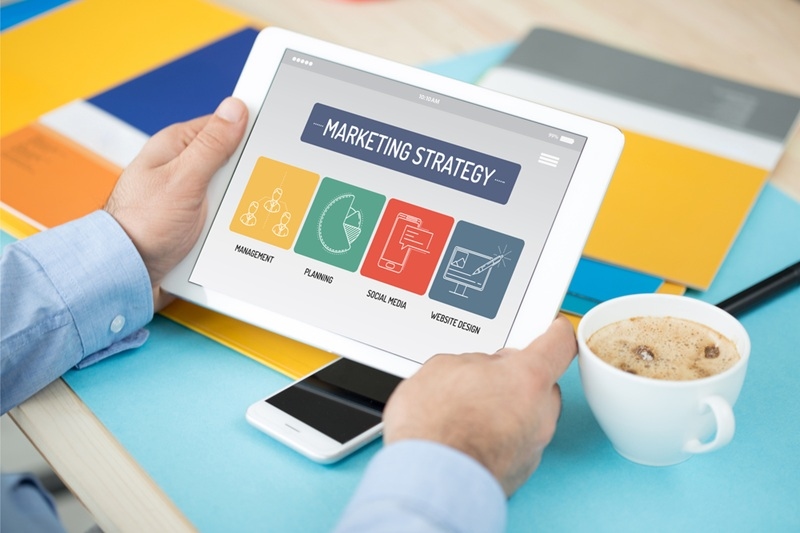
That’s why franchise marketing matters more than ever. It’s not simply about tossing up a few ads or posting once in a while on Facebook. You’ve got to juggle being locally relevant while still looking and sounding like one big, unified brand. Easier said than done. Behind the scenes, it all comes down to careful planning and, most days, a lot of coordination.
This guide walks through how U.S. franchise brands can boost their visibility in 2026. Smarter tools, sharper messaging, and a genuinely connected marketing approach—the aim is to help you grow in a landscape that’s only getting louder.
Every strong franchise hinges on a solid marketing playbook. Without it, you get chaos—some locations soar, others stumble, and nobody really knows what tipped the balance. A clear marketing strategy pulls everything together but still gives local owners enough room to do what works for their spot.
Franchises might run a handful of shops—or hundreds. Each serves a unique crowd, but everyone has to send the same brand message. That’s where things can get tense. Too many rules from the top, and local managers feel boxed in. Not enough rules, and the brand message ends up looking scattershot.
The smartest franchises split the difference:
This way, you get solid growth without losing what makes your brand unique.
Almost every marketing move these days starts with data. Franchises are neck-deep in platforms like Google Analytics, HubSpot, or Salesforce, tracking customer habits across all their stores. The numbers show what gets results, what needs fixing, and where to double down.
Instead of flying blind, brands actually make smart decisions rooted in real info. That’s a big shift from the guessing games of just a few years ago.
Online channels form the backbone of franchise digital marketing, but not every channel pulls its weight. Trying to do a bit of everything usually just spreads you thin.
Online ads still get results when done with purpose. Google Ads, Meta—they let franchises target by location, age, interests, the works. So, locations in Texas can talk up outdoor classes, while New York shops might pitch quick, city-friendly workouts. Same brand, different approach. It works.
Organic marketing is the long game—slow, but it’s how you build trust and keep the brand top of mind without always shelling out for ads.
Some basics that matter:
No need to be perfect. Just be consistent. It’s the steady drumbeat that keeps you visible.
Local search isn’t something you can ignore. When someone types “pizza near me” or “best gym in Chicago,” they’re looking to make a decision—fast.
The main seo strategy is making sure every location stands out in its area:
Why? Because Google looks for what’s close by and what looks legit. If your listing is buttoned up and active, you aren’t just visible—you’re a top pick.
Reviews aren’t just feedback—they help you climb the rankings. Steady, positive reviews beat out competitors with so-so ratings. Encouraging real customers to share their experiences, and then actually replying, builds both trust and visibility.
Reaching more people only works if you’re recognizable. That’s where strong franchise branding does the heavy lifting.
People want a familiar experience, whether they walk in here or two states away. That means having clear rules for:
It all needs to line up so every touchpoint feels like the same brand.
Here’s the hard part—staying consistent without getting stale. You need to adjust for local tastes, seasonal shifts, and things happening in the neighborhood.
Try stuff like:
Small tweaks go a long way. The brand still feels the same, but it actually fits everywhere it shows up.
Visibility is great, but it needs to mean something. You want real leads—folks who actually turn into customers eventually.
Think about it: The first time someone interacts with a location, it’s often through a landing page. The best ones nail:
Just shaving off a few seconds of loading time or making your call to action pop can boost results fast.
Juggling marketing across a bunch of locations gets overwhelming. Every site has its own quirks, but you need some glue holding it all together.
A ton of franchises are moving to platforms made for the job—think Yext, Sprout Social, or BrightLocal.
With these, you can:
It streamlines the boring stuff so everyone can focus on what works.
Franchise visibility isn't about shouting louder—it’s about working smarter. The right strategy weaves together digital, local SEO, branding, and smart lead capture so everything supports everything else.
Going into 2026, the winners will be the ones who guide with clarity but stay flexible. They’ll let data point the way, but always keep their finger on the pulse of what people actually want. Most of all, they’ll find a way to stay consistent without turning stale. It’s not about being perfect—it’s about being intentional.
Local focus is everything. Get involved in the community, push local SEO, and speak to what matters in your neighborhood. Building real connections will outshine deep pockets every time.
Absolutely. Short videos that give people a peek into your products, your story, or what customers actually experience—that stuff gets shared and remembered. Instagram Reels, YouTube Shorts, TikTok—it’s all fair game.
Marketing strategies should be reviewed quarterly, with adjustments based on performance data. However, major changes are usually made annually to reflect broader trends and business goals. Regular updates keep campaigns relevant.
Not really. Online is crucial, but don’t ignore local events, partnerships, or the in-store experiences that create loyalty. Those old-school efforts still move the needle in a big way.
This content was created by AI