

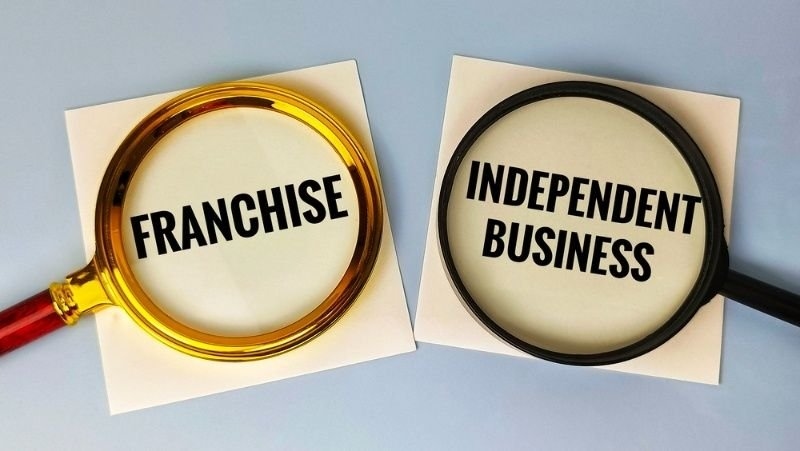
Your venture decision to go with a startup or a franchise may affect every part of your entrepreneurial venture. Both will enable you to have absolute independence, but one will offer a process to follow. By comparing investment dollars, independence, support, risk, and desire for scope to expand with this startup vs franchise guide, you'll be able to decide what style of business best fits your financial ability, skill set, and vision for the future.
One significant difference in the startup vs franchise debate is that the business itself must be created by the entrepreneur. With a startup business, you are also responsible for all aspects of the venture: concept, brand, product mix, pricing structure, marketing campaign, and operating procedures. This level of autonomy may come with responsibilities and challenges of having to establish the venture from the ground up.
A franchise business is based upon already established products/services or brand and operating procedures; in effect, you are given a proven system to follow. Franchisors may offer training, resources for marketing, operational guidance, technology access, or a host of other support features. Franchise owners generally have agreed-upon obligations, which come in the form of initial investment fees and ongoing royalties paid directly to the franchisor.
A startup business will generally appeal to entrepreneurs who are looking to test the limits of a fresh idea and want complete authority to make choices regarding their venture. You also get to decide all of the details about branding, pricing, suppliers, the marketing strategy, and future growth.
The mentioned versatility is what sets a startup business apart from other kinds of operations. You'll want to get ideas from your customers as fast as possible to determine if your business can succeed and, if not, pivot to what works best. Be that as it may, building up recognition will also mean bringing customers in and establishing the fundamental business systems and processes.
Let’s find out what the pros and cons of starting any business are. Here are the highlights:
A startup must validate itself and discover what works for generating customers, all without the built-in security of a franchise network. Unexpected costs and business setbacks can strain cash flow.
An already established franchise system gives you an operating blueprint from which you will run your business. Rather than figuring out all of the steps required to do the work yourself, you can just follow those specified by the franchisor, and those without business experience can often find franchised businesses a less intimidating path to entrepreneurship.
Depending on the franchise model, you may find additional training, resources for marketing, an operating model, established supply networks, technology support, and more. Those elements, among others, may simplify operating the business.
What you sacrifice is total autonomy. An owner of a franchise will likely have a list of rules about what brand elements you are permitted to use and what type of operations you may offer consumers. Franchise fees can also eat into overall profits (Neighborly).
A crucial factor in a franchise comparison is the total cost it will take to launch the venture. A startup business can mean you are deciding all the costs for your venture. Nonetheless, developing a brand and entire business system for your company from the ground up would still be costly overall.
A franchise will have an initial franchise fee, as well as start-up expenses like equipment, supplies, initial training, store build-out, and working cash. Furthermore, you will need to pay royalties or additional marketing fees at the beginning and later. Ultimately, just comparing startup costs is not necessarily an indicator of the total investment.
Thoroughly understanding the total investment will give you a clearer picture and save you from picking the wrong business model based on just what it will cost to get started (Rivavya).
Your ownership of your business could be anywhere on the spectrum; a startup owner is generally given total freedom in every decision. Franchise owners have little to no latitude with regard to the type of services you can offer customers or the brand aspects that you wish to incorporate into your operation.
While these restrictions can limit ingenuity, they can also produce consistent customer satisfaction and straightforward operations, which new entrepreneurs may find useful. Entrepreneurs who do not enjoy experimentation might prefer business ownership by franchising.
A startup business is typically a good fit for those who desire full reign and are willing to take on various risks and the independent journey of building their own brand. An independent venture is a better choice when the most important aspect for your entrepreneurial aspirations is not losing control to a parent corporation. Consider:
A choice between operating a startup and a franchise business is the selection between one ownership profile and the other. Independence, versatility, and autonomy are available with a startup; however, a franchise model has its own benefits by providing operating systems, structures, and ongoing support.
Both types of business ownership have significant downsides and upsides. A realistic franchise comparison and financial assessment will help you to secure a satisfactory answer.
Neither is better. Some entrepreneurs want an established plan that comes with the security of support. Others yearn for the creative control that is associated with a startup. When you assess the finances, your own skills, comfort with risk, and personal goals, you can pick the option that's best suited for you.
Yes. In the event of a startup's success, its system can become a franchisable one. For a startup to convert, it would first need to create standard operating systems, complete the proper legal documents for franchising, build a detailed plan for franchisee training, and have an all-around established business structure that can be duplicated.
Not at all. Every franchisor's fee structure will vary. Some will collect a fee from franchisee income; others will work out the financial details differently. Review each cost individually and be honest with yourself about how a monthly expense like royalty will impact your profit in the short and long term.
A franchise can have advantages over a startup because there's already a set operating plan as well as a brand that has, in many cases, already acquired some notoriety. But the financial risks are there in either business scenario. It's possible for your chosen locale, market conditions, operational costs, and competition all conspire against success even in a franchise model.
Do your homework when it comes to capital availability, market demand and potential competition, operating costs, and your long-term expectations. For a franchise, analyze agreement documents, fees, territory, ongoing support, franchise limitations, term renewal options, and the Franchise Disclosure Document itself prior to signing the paperwork.
This content was created by AI